Reinvent how your company builds.

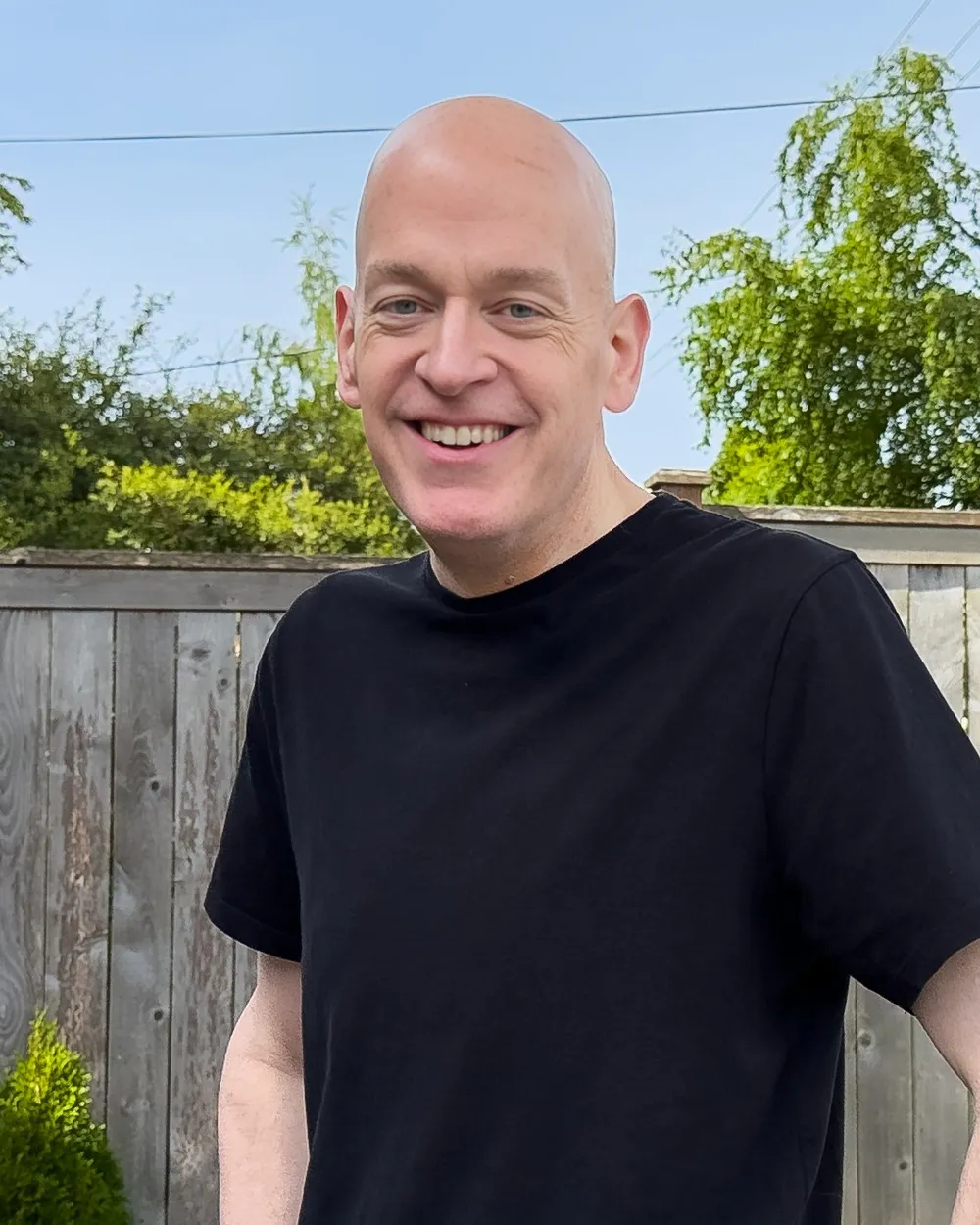
AI didn’t change what you can build⁠—it changed what building is. I work with you and your teams to remake the whole system: the tools, the process, the roles, and the culture that holds them together. I’ve been in every role from individual contributor to CTO leading a large R&D team to CEO guiding a company with tens of millions of dollars of annual revenue, so nothing you’re facing is theory to me.

Jensen Harris
The symptoms

Do any of these sound familiar?

The AI demos in our all-hands were incredible, but somehow our product roadmap is still behind.

Writing the code takes an afternoon now. So why does shipping still take a quarter?

Nobody on my leadership team can tell me what a PM should even do anymore.

We’re generating way more code than anyone has time to review. I can’t tell how much of it we should trust.

Half my team is racing ahead on their own. The other half is quietly waiting for this to blow over.

I’m worried that there’s an AI-native startup out there right now building what our customers are going to buy next.


The diagnosis

It’s not one problem. It’s six.

01 Tools 02 Process 03 Roles 04 Structure 05 Culture 06 People How you build

The way your company builds was designed for a world that no longer exists, but your old system defends itself. Try to modernize just one part of how you build and all the rest quietly pull the team back to its old ways.

For instance, add new AI tools on top of your outdated processes and you get expensive demos. Pair AI-native processes with old role definitions and you get friction. It can feel daunting to figure out how to even get started.

But you don’t have to do it alone.

  • 01 Tools

    Choose the stack that fits

    Which agents, models, and platforms are right for your product and your teams, and which are noise? We prove the choices on your own codebase.

  • 02 Process

    Shorten the path to shipped

    What does the path look like when working software takes a day? Fewer handoffs, fewer sign-offs, and validation that keeps up with how much you’re shipping.

  • 03 Roles

    Redefine the jobs

    What do product, design, and engineering mean when a prototype takes an afternoon? Roles, ladders, and hiring that match the real work.

  • 04 Structure

    Reshape the teams

    What’s the smallest team that can own an outcome end to end? We reorganize around small teams with real autonomy.

  • 05 Culture

    Reset what good looks like

    How do the racers and the skeptics end up building the same way? With a shared standard for quality and speed that people actually believe in.

  • 06 People

    Give builders their spark back

    The speed is only half of it. The other half is a happier team: more creative freedom, less grind, and people who enjoy building together again.

Not a typical consultant

How my weird career history helps

You’ve watched crucial team changes stall before: the vision lands, the teams nod, and a year later everyone’s building the way they always did. That’s not stubbornness—people reject change handed down by someone who’s never done their job.

That’s the problem my odd career happens to solve. Your engineers get a partner who still ships code every day, your PMs and designers get someone who’s held their exact roles, and you get a peer—I co-founded Textio in 2014, invented AI writing years before ChatGPT, and as CEO led this same reinvention myself within my own company.

I pair a career directly working in engineering, product, and design roles with over 15 years of senior executive leadership to help make it all fit with your company and business vision.

Working together

Hands-on, not at arm’s length

I work at two altitudes at once. With you, it’s the decisions only leadership can make: structure, roles, and where to place the bets. With your teams, I get into the details, helping them make the right technology and process decisions to start building in a more modern way.

Every engagement is shaped around your company. Usually that means an intensive stretch working with you and your teams, then a lighter cadence as your people take it over. Success is when the reinvention keeps going without me.

  • 450-person R&D org Spring–Summer 2026

    Ships quality in days, not months

    Before Process-heavy scrum model, no AI
    After Small, empowered AI-native teams

    When I arrived, this 450-person R&D org was running a legacy scrum model with almost no AI in the building. I helped leadership pick the first products to move, stood up small teams of engineering, product, and design around them, and rebuilt their process on AI-native tools. Within weeks, those teams were shipping in days what used to take months—and quality went up, not down.

  • Building in Old Ways Late 2025–Early 2026

    Now 6× faster to market

    Before Months to build a single feature
    After Build and ship new product 6× as fast

    This company was stagnating while maintaining its legacy products. Working side by side with their engineers and leaders, we rebuilt how they design, build, monitor, and work together. Then they put it to the test: a brand-new product, taken to market six times faster than anything in the company’s history. Afterward, we adapted these changes to make maintaining their large existing customer base less painful.

Where I’m most useful

  • You run a company or an R&D org, and you know this change is yours to lead.
  • You want the change to happen on real products, starting now.
  • You’d rather work with someone who’s led this change than someone who’s studied it.

Where you’d want someone else

  • You want to roll out an AI tool or two, not rethink how the company builds.
  • The change you need is one team or one workflow, not the whole organization.
  • You just want a workshop or a talk, not a change that outlasts the engagement.

Let’s reinvent how you build.

Every company gets here eventually. Move first, and you lead the next decade instead of spending it catching up.

Start a conversation